
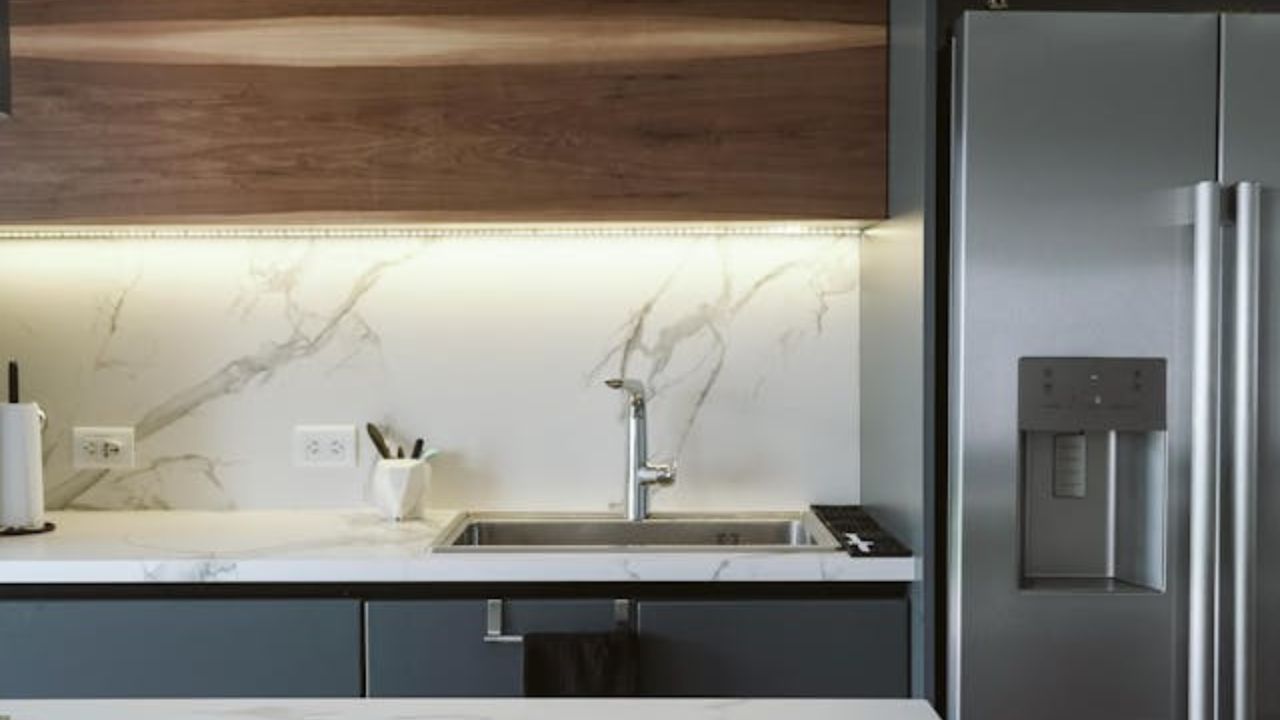
If you’re thinking about renovating your home or designing a modern kitchen, it’s time to reconsider the use of tiles. A new trend in architecture and interior design is gaining popularity and promises to transform kitchen aesthetics: walls without traditional ceramic coverings.
Minimalist, elegant, and functional, this style is being embraced by architects and designers in both residential and commercial kitchen projects. Find out why more and more people are moving away from tiled kitchens — and what’s taking their place.
Kitchens Without Tiles: The New Face of Contemporary Architecture
For decades, tiles were considered essential in kitchens, especially for their durability and ease of cleaning. However, with the evolution of materials and waterproofing techniques, new alternatives are emerging that allow for smooth, continuous surfaces with a sophisticated finish.
The main reasons behind this shift include:
- A cleaner and more modern aesthetic
- Easy to match with other materials (such as wood, marble, or polished concrete)
- Fewer visible grout lines, creating a sense of spaciousness and hygiene
- More creative freedom in design
What’s Replacing the Tiles?
In place of traditional ceramic tiles, architecture professionals are turning to other solutions that combine beauty, practicality, and durability:
1. Epoxy or washable paint
Waterproof coatings with a matte or satin finish, easy to clean and offering a uniform look.
2. Quartz, marble, or granite panels
Perfect for adding a touch of luxury to the kitchen. Durable, heat-resistant, and highly elegant.
3. Polished concrete and microcement
Commonly used in industrial and minimalist styles. These materials bring texture and personality to the space.
4. Painted or tempered glass
A modern, practical, and sturdy option — ideal for a clean and contemporary look.
5. MDF or treated wood panels
With proper treatment, wood can be used even in damp areas. Great for a warmer and more natural atmosphere.
Sustainable and Timeless Trend
Beyond aesthetics, kitchens without tiles can also be a more sustainable choice. Reducing the use of ceramics and grout simplifies maintenance and lessens the environmental impact of renovation.
This trend also follows the movement toward timeless design, where less is more and visual elements are built to last beyond just one season.
Why Is This Trend Gaining Ground in Brazil?
Already common in European countries and the United States, this trend is now gaining traction in Brazilian projects, especially in large urban areas. Architects point out that the demand for integrated, minimalist kitchens with less visual clutter reflects a new way of living — more practical, elegant, and functional.
Is It Safe and Practical to Cook in a Kitchen Without Tiles?
Yes! As long as the design uses waterproof, heat-resistant, and easy-to-clean materials, kitchens without tiles work perfectly. The right choice of coatings and skilled craftsmanship ensure durability and low maintenance.
The absence of tiles in the kitchen is not just a passing trend, but a clear sign that interior design is evolving to meet new aesthetic and functional needs. If you’re looking for a modern, minimalist kitchen full of personality, this trend might be the perfect fit for your project.
This content was created with the help of AI and reviewed by the editorial team.
